Maintenance Basics
Brake Warning Signs You Should Not Ignore
Stop driving and arrange qualified help when braking is reduced, the pedal sinks or changes dangerously, the vehicle pulls severely, brake fluid leaks,…
A routine visual check can reveal a change worth investigating, but observation is not diagnosis. Safety systems, lifting, high voltage, hot fluids, pressurized circuits, and internal repairs belong with the exact manual and qualified people. The goal here is to notice, document, and respond appropriately—not to award the driveway an honorary engineering degree. When a warning or symptom may affect safe control, stop and arrange professional help.
Stop driving and arrange qualified help when braking is reduced, the pedal sinks or changes dangerously, the vehicle pulls severely, brake fluid leaks,…
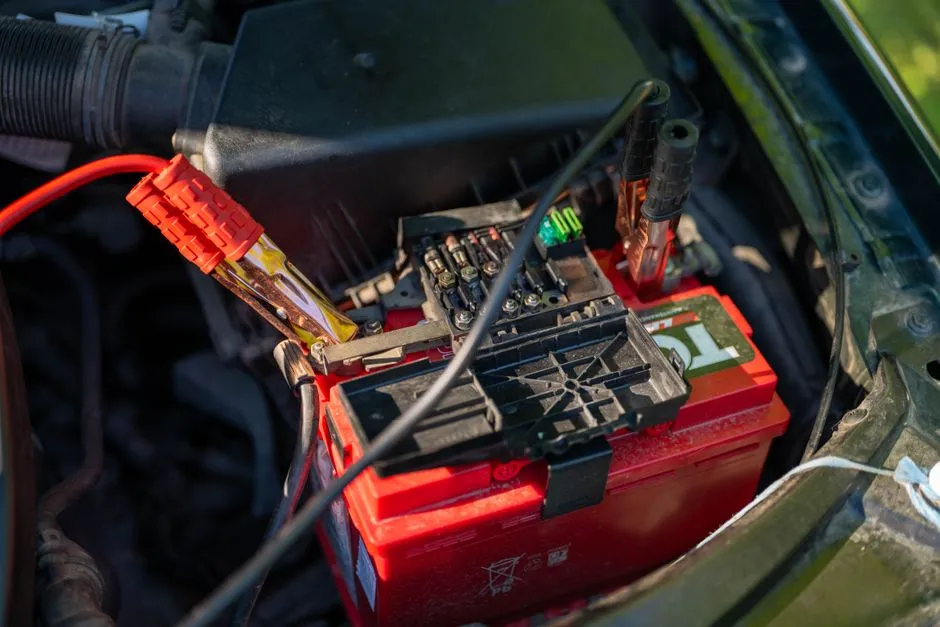
Slow cranking, clicking, dim lights, resets, or a no-start can involve the battery, connections, starter, charging system, parasitic draw, temperature, or…
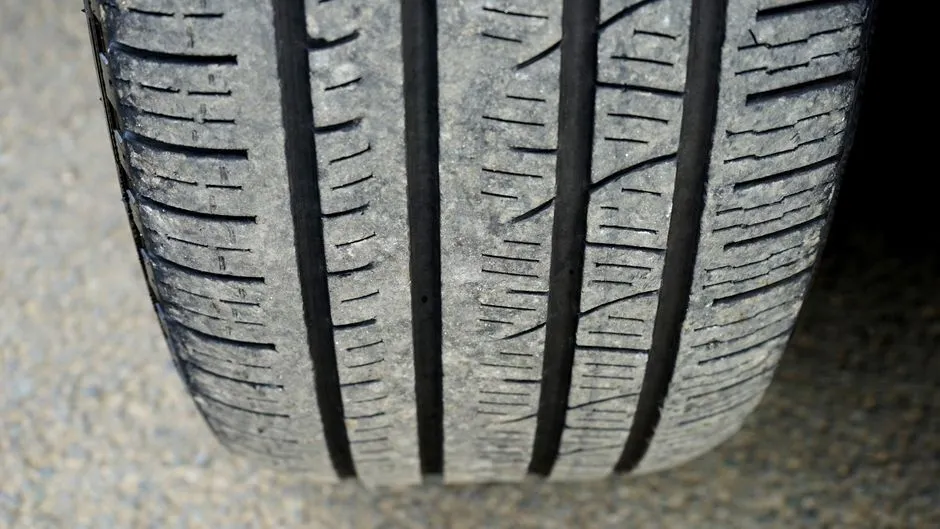
Check tire pressure at least monthly when tires are cold—before driving or after at least three parked hours—using the specification on the vehicle's Tire…
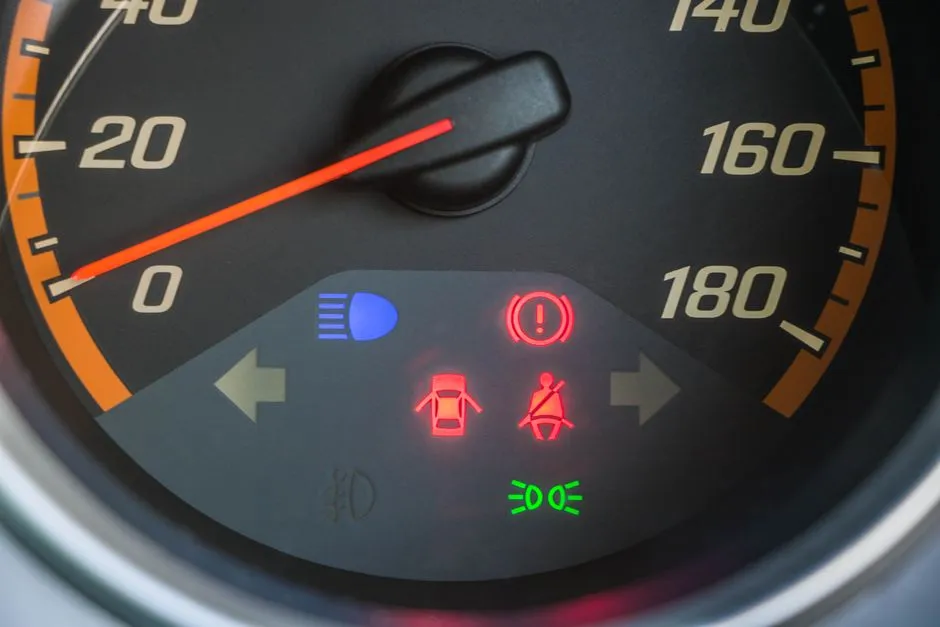
Respond to a dashboard warning by safely stopping when braking, steering, tires, overheating, smoke, fire, fuel odor, control, or an explicit message…
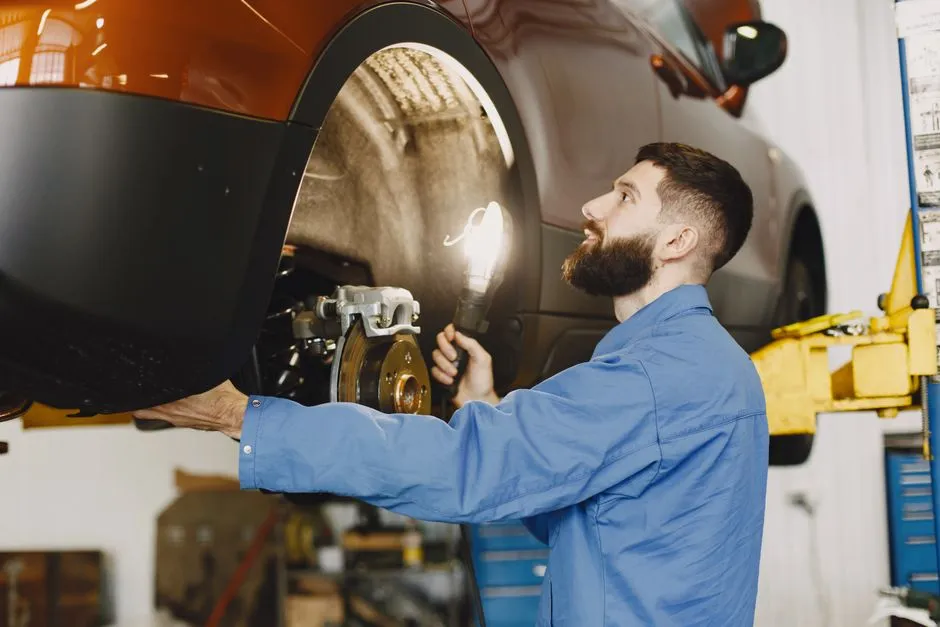
Use only the coolant specification, mixture, checking condition, and service procedure in the exact owner's manual; color does not establish compatibility.
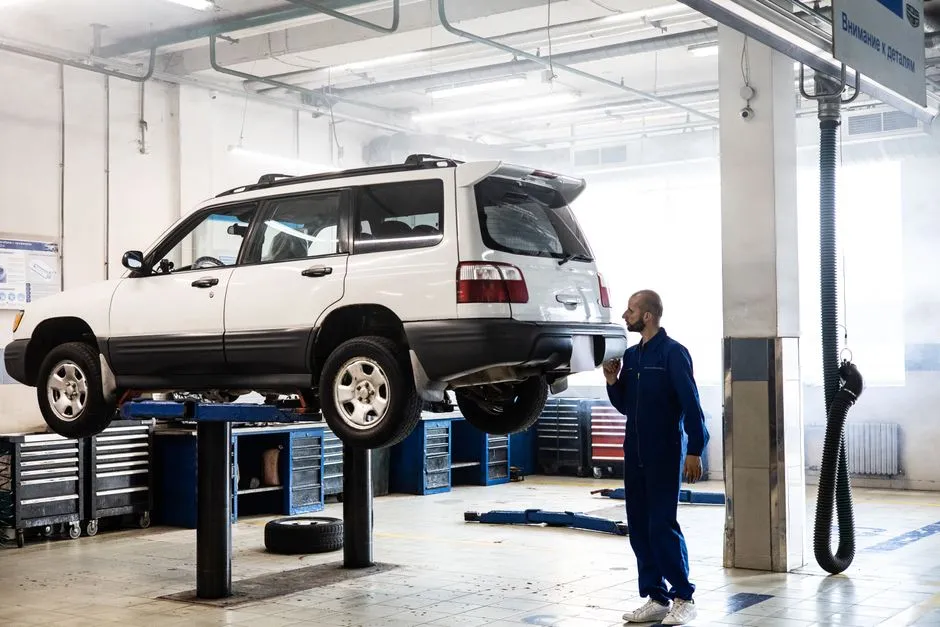
Once a month, inspect a parked car on a safe, level surface for new leaks, tire pressure and damage, tread condition, lamps, glass, wipers, mirrors,…
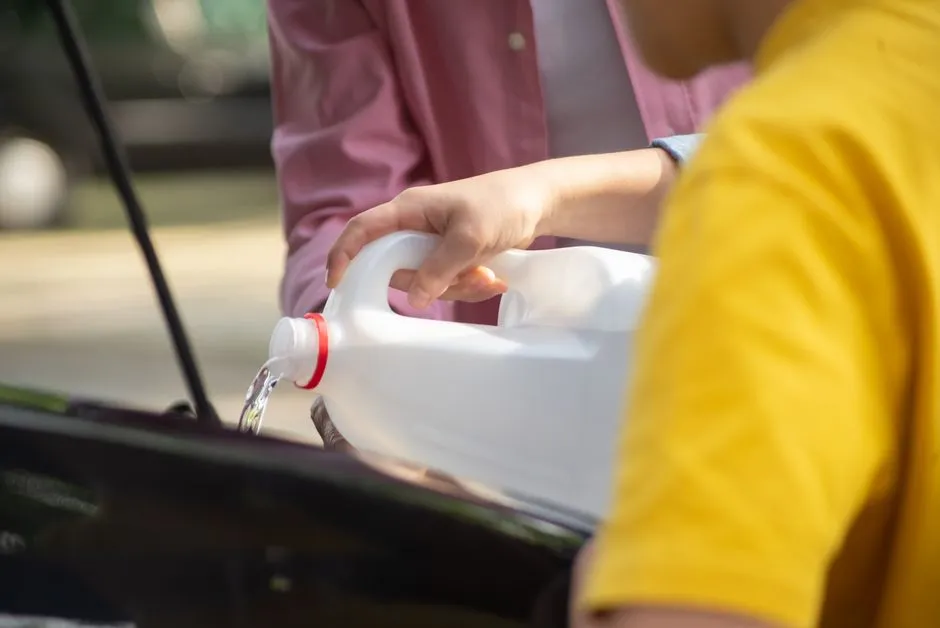
Find the oil-change interval in the official manual or maintenance guide for the exact model year, engine, market, and use.
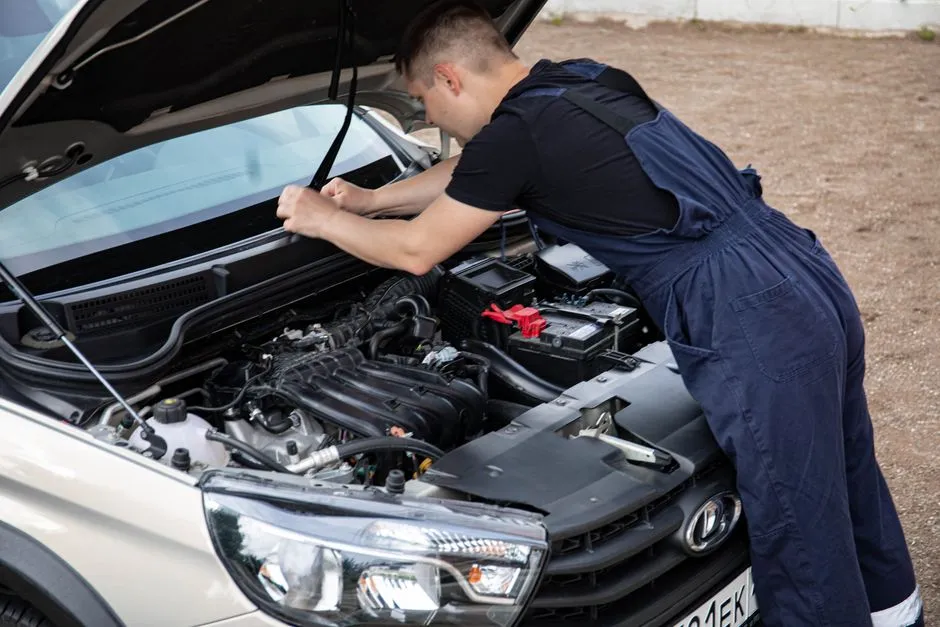
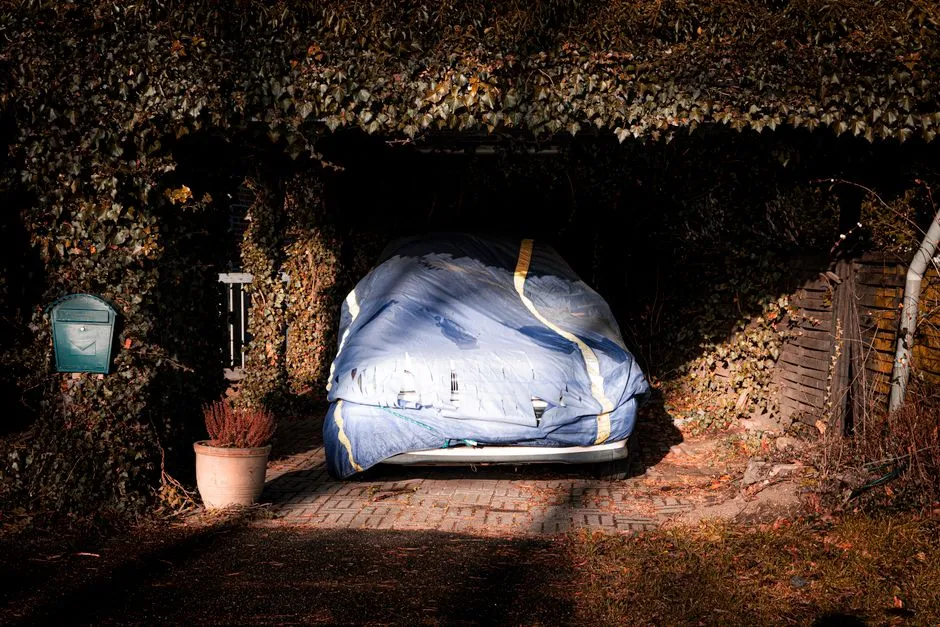
Prepare a car for seasonal storage from the exact manual, duration, climate, location, powertrain, and local rules.
Build a roadside emergency kit around the route, climate, travelers, medical needs, pets, and exact vehicle equipment.
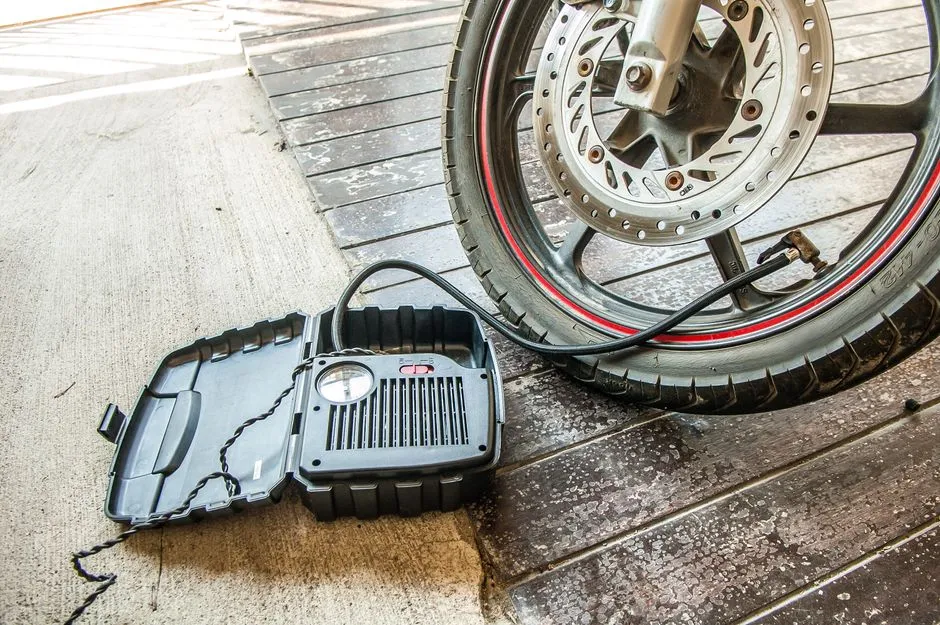
Inspect tire tread, both sidewalls, and all wheel positions monthly.