Car Battery Symptoms and the Next Safe Step
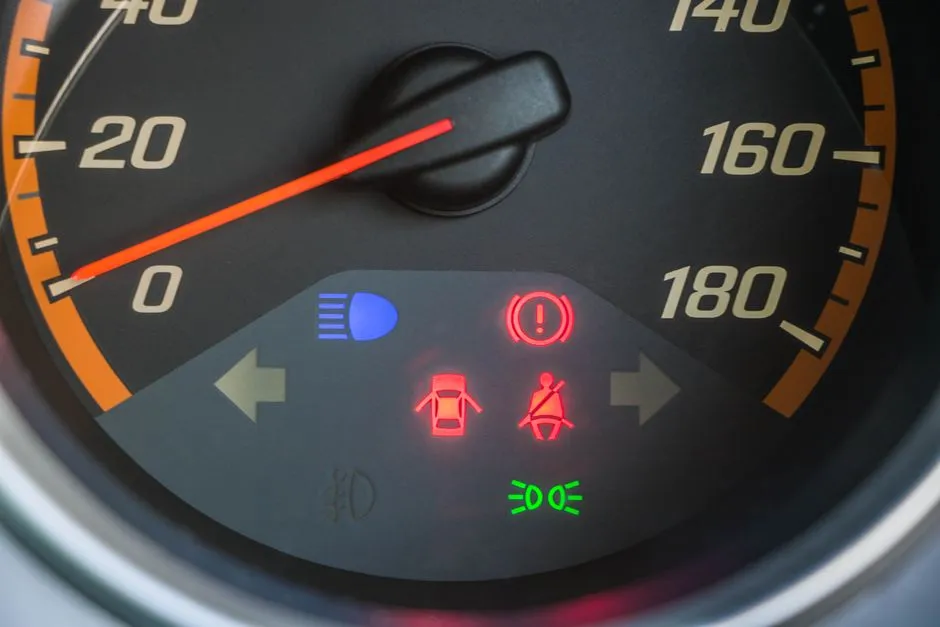
Battery symptoms overlap with charging and connection faults
Slow cranking, clicking, dim lamps, resets, and a no-start can involve the battery, terminals, cables, starter, charging system, parasitic draw, temperature, or control electronics. Observation narrows the story but does not diagnose the part. Treat smoke, heat, swelling, leaking, sparks, or a strong unusual odor as a reason to keep away and obtain emergency or qualified help.
Record exactly what happens
Note whether the engine cranks slowly, clicks once, clicks repeatedly, remains silent, or cranks normally without starting. Observe dashboard behavior, interior lights, recent short trips, storage duration, temperature, and whether accessories were left on.
Do not repeatedly crank beyond the manual's limit. That can overheat components and flatten the remaining charge while contributing no new information.
Inspect without creating a short circuit
With the vehicle off and only as the manual permits, look for loose or corroded connections, damaged cables, an unsecured battery, cracks, swelling, or leakage. Keep metal tools and jewelry away. Do not touch or neutralize leaking electrolyte casually.
Electrified vehicles can contain multiple batteries and high-voltage systems. Orange cables and labeled high-voltage components are not owner service areas.
Understand the warning light
A battery-shaped dashboard warning commonly concerns the charging system while the vehicle operates, not merely battery age. Follow the warning-light guide and exact manual. If steering, cooling, or electrical systems degrade, stop safely and arrange towing.
Jump-start only through the documented procedure
Some vehicles restrict jump-starting, specify remote terminals, or require particular sequences. Reversed polarity, damaged batteries, sparks, and unsuitable equipment can cause injury or vehicle damage. Use the exact manual and suitable equipment, or call qualified roadside assistance.
Never attempt to jump a frozen, swollen, leaking, cracked, or otherwise damaged battery. Keep flames and smoking materials away.
A successful jump is not a diagnosis
If the vehicle starts, the battery may have been discharged, aged, undercharged, or affected by a connection or system fault. The charging system and battery need appropriate testing. Driving for an arbitrary number of minutes is not a universal recharge procedure.
A qualified repair shop can test state of charge, capacity, charging performance, voltage drop, and draw with suitable equipment.
Look at usage and age evidence
Review battery installation date, test records, storage, climate, accessory changes, and repeated symptoms. Age alone does not prove failure; a new battery can be discharged or defective, and an old one can pass a relevant test today without promising tomorrow.
Add the event to the monthly safety log. Repeated resets can erase learned settings or readiness data, so mention them during service.
Decide the safe next step
For a no-start in traffic or an unsafe location, prioritize people and call emergency or roadside help. For repeated slow starts at home, schedule testing before the car makes the appointment on your behalf.
The battery is one suspect in an electrical system. Test the system, correct the cause, secure the replacement to exact specifications if needed, and recycle through an approved channel. Guessing by click volume is not electrical diagnosis, although it remains popular dinner-table theater.