A Monthly Car Safety Check for Owners
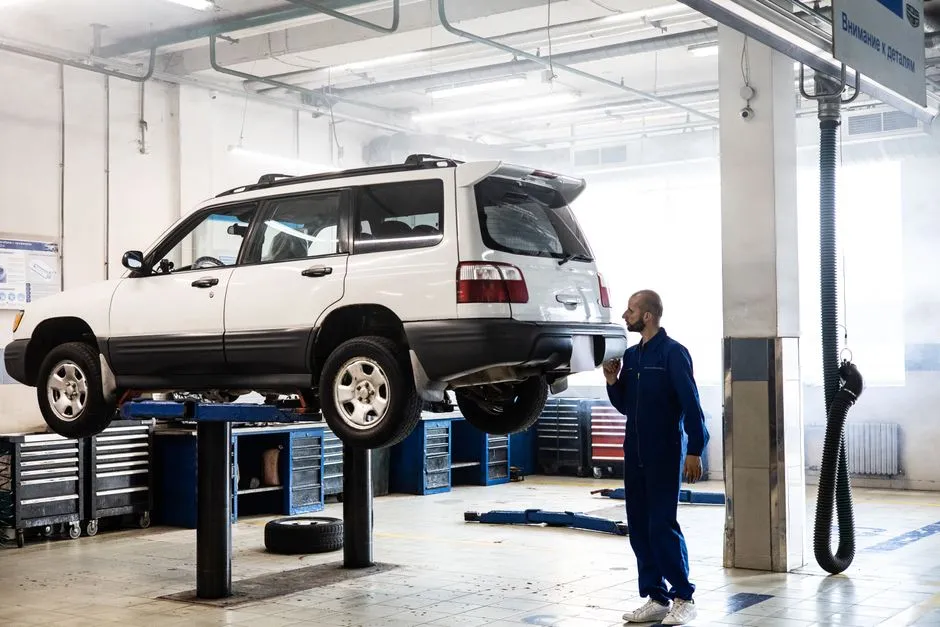
A monthly car check looks for changes, not diagnoses
Once a month and before a demanding trip, inspect the parked vehicle in good light on a level, safe surface. Look at tires, lamps, glass, wipers, visible leaks, fluid reservoirs allowed by the manual, safety equipment, and warning indicators. This routine can identify reasons for qualified inspection; it cannot certify the car safe or replace scheduled service.
Walk around before touching anything
Look beneath the vehicle for new puddles or drips without crawling under it. Note color, location, odor only if safely observable, and photograph the spot. Do not taste fluids, touch unknown chemicals, or enter traffic to inspect.
Check body panels, mirrors, windows, license plates, cameras, and sensors for damage or obstruction. Clear only as the manual permits.
Inspect every tire
Measure cold pressure against the vehicle label or owner's manual, including the spare when applicable. Inspect tread, sidewalls, cuts, cracks, bulges, embedded objects, and uneven wear. NHTSA recommends monthly pressure and tread checks.
Use the pressure procedure and tire-wear guide. Do not drive on a visibly damaged, rapidly deflating, or unsafe tire; arrange qualified service.
Test visibility equipment
With safe help or a reflected surface, verify headlights, tail lamps, brake lamps, turn signals, hazard lamps, and license illumination as applicable. Check the windshield for spreading cracks in the driver's view and inspect wiper blades and washer operation.
Do not stare into bright lamps at close range. Replace components only according to the manual; some lighting systems contain high voltage or require assembly service.
Check accessible fluid levels safely
Follow the manual's location, temperature, surface, and procedure for engine oil, coolant reservoir, brake fluid, washer fluid, or other owner-checkable items. Never open a hot or pressurized cooling system. Never improvise fluid type based on color.
A low level may indicate consumption or leakage that requires diagnosis. Topping up is not an explanation.
Observe startup and controls
Before moving, confirm expected indicator self-check behavior and note lights that remain on. Test horn, seat belts, mirrors, defrosters, parking brake indication, and brake-pedal feel as the manual permits. Read the warning-light response guide.
Stop and seek help for steering, braking, tire, overheating, fuel, smoke, fire, or other symptoms that may compromise safe control.
Review emergency and legal items
Check registration, inspection, insurance evidence, first-aid and roadside supplies, flashlight batteries, reflective equipment, seasonal gear, and expiration dates according to local rules and household needs. Secure every item so it cannot become a projectile.
Record the result
Log date, odometer, pressure readings, tread observations, fluid findings, warning lights, damage, and action taken. Compare month to month and keep photographs of changes when useful. A slow pressure loss or fluid change is easier to see in a table than in memory.
The check should take minutes, not turn Sunday into an amateur teardown. Notice change, document it, and route uncertainty to the correct manual or professional. The vehicle does not award bonus points for finding a leak and then ignoring it beautifully.