How to Prepare a Car for Seasonal Storage
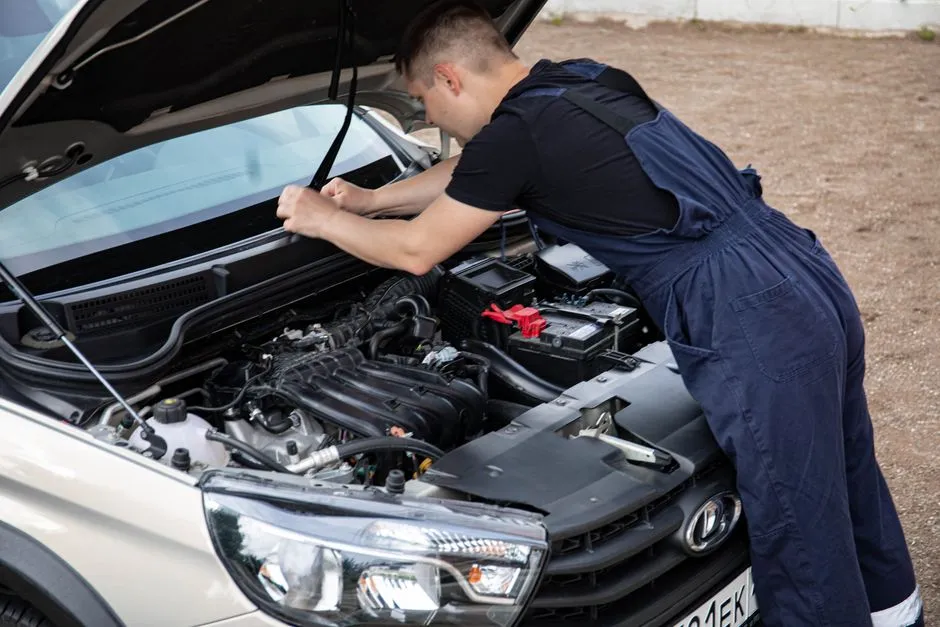
- Seasonal vehicle storage starts with duration and environment
- Choose a safe location
- Clean and dry the vehicle
- Follow fluid and fuel instructions
- Manage the low-voltage battery safely
- Treat electrified vehicles separately
- Protect tires and brakes
- Discourage pests without creating hazards
- Plan the return to service
Seasonal vehicle storage starts with duration and environment
Preparing a car for storage depends on how long it will sit, indoor or outdoor conditions, climate, fuel or powertrain, security, pests, local rules, and the exact owner's manual. A few weeks differs from a season. Begin early enough to service problems before parking; storage does not pickle a leaking car into better condition.
Choose a safe location
Use a dry, secure, ventilated location permitted for vehicle storage. Check building, lease, insurance, fire, battery-charging, and fuel rules. Avoid flood zones, falling branches, construction dust, standing water, and blocked emergency access.
For indoor storage, never run an engine in an enclosed space. Carbon monoxide can kill without warning.
Clean and dry the vehicle
Wash corrosive dirt or road salt from appropriate surfaces and let the vehicle dry fully. Clean the interior, remove food, rubbish, and liquids that can freeze or leak, and secure personal documents. Do not leave flammable or pressurized products exposed to temperature extremes.
Use a breathable cover compatible with paint and location if the manual and environment support one. A wet tarp can create its own climate experiment.
Follow fluid and fuel instructions
Check whether maintenance will become due during storage. Use only the manual's fuel-level, stabilizer, oil, coolant, and emissions guidance. Product instructions do not automatically make an additive suitable for every vehicle.
Address leaks before storage. Never store a vehicle with a fuel smell, overheating problem, damaged high-voltage system, or other unresolved safety hazard.
Manage the low-voltage battery safely
Vehicle electronics can draw power while parked. The manual may allow a compatible maintainer, battery disconnection, transport mode, or periodic charging. Each option can affect alarms, windows, locks, learned settings, emissions monitors, and safety systems.
Follow exact terminals, ventilation, charger type, and sequence. Do not use a maintainer on a damaged or leaking battery. Battery symptoms explains why a flat battery after storage still needs cause and condition checks.
Treat electrified vehicles separately
Hybrid and electric vehicles may specify a high-voltage state-of-charge range, plugged or unplugged condition, temperature limits, and periodic checks. Follow the official storage instructions exactly. Never disconnect or service high-voltage components.
Protect tires and brakes
Set cold pressure according to the vehicle label and storage guidance, inspect damage, and use a stable surface. The pressure guide covers measurement. Long storage can create temporary flat spotting or expose slow leaks.
Do not leave a vehicle balanced on improvised supports. Parking-brake guidance varies; humidity and duration can affect corrosion, so follow the manual and use approved wheel restraint where directed.
Discourage pests without creating hazards
Remove food and nesting material, close openings normally intended to be closed, and inspect the location. Do not block required ventilation or place poison where children, pets, or wildlife can reach it. Record any temporary exhaust or intake cover conspicuously so it is removed before startup.
Plan the return to service
Leave a checklist on the steering wheel: remove covers and restraints, inspect leaks and nests, verify tire condition and pressure, check permitted fluids, assess battery, review warning lights, and confirm registration, insurance, inspection, and recalls. Follow the owner's-manual guide.
Before road use, arrange qualified inspection when storage was long, conditions were poor, or brakes, tires, fluids, wiring, or batteries show change. The first drive is not the ideal moment to discover that a mouse has opened a small electrical consultancy beneath the hood.