How to Prepare a Car for Resale Honestly
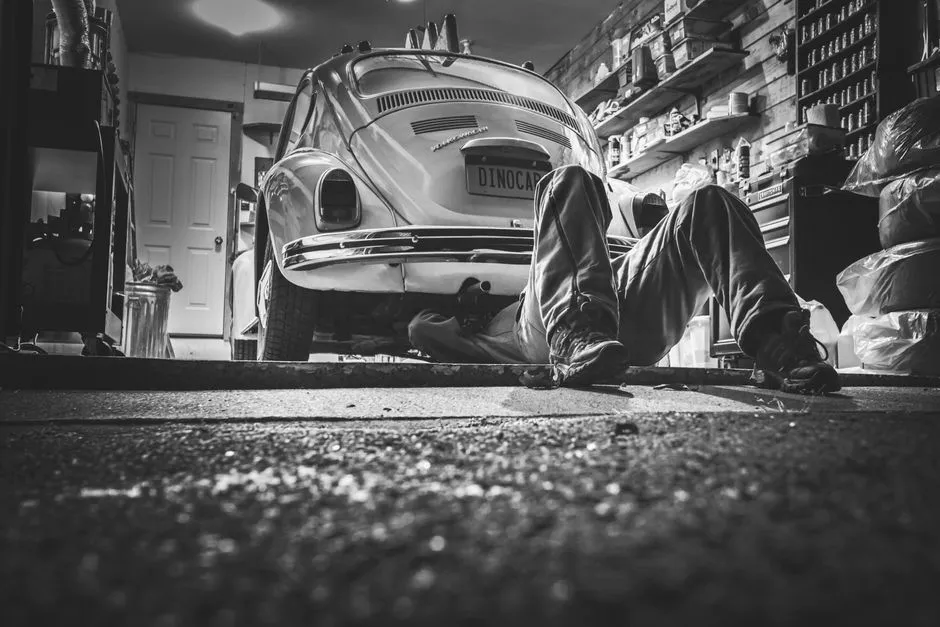
Prepare a car for resale by making it inspectable
An honest resale preparation makes the vehicle clean, documented, safe to examine, and accurately described. It does not erase warning lights, hide leaks, disguise damage, or invent maintenance history. Disclosure, title, inspection, emissions, and sale rules vary by jurisdiction, so check current local requirements before advertising or accepting payment.
Gather identity and ownership documents
Confirm the VIN matches the title or ownership record, registration, and vehicle labels. Resolve liens through the proper process and identify every required form. Do not share unredacted title, registration, identification, or account details in a public listing.
Prepare a secure, privacy-scrubbed copy of service records. Keep originals until the transaction and legal retention needs are complete.
Obtain a current condition picture
Complete a basic owner walkaround, then consider a qualified independent inspection. Record known mechanical, electrical, body, glass, tire, interior, and accessory condition. A buyer may reasonably obtain a separate inspection; allow it under safe, agreed terms.
Do not describe a vehicle as “perfect” or “needs nothing.” The phrase has never survived contact with a flashlight.
Address safety and warning issues
Investigate active warnings and safety symptoms. Complete required safety work or disclose and handle the vehicle as local law permits. Do not clear codes merely to extinguish a light before showing; monitors and faults may return, and concealment can create legal and ethical problems.
Run the official recall check and retain the result date. Follow all interim warnings and arrange open remedies as instructed.
Clean without concealing
Remove personal belongings, vacuum, wash exterior surfaces appropriately, clean glass, and neutralize ordinary dirt. Follow material-specific instructions and avoid products that create slippery pedals, steering wheel, floor, or seats.
Do not pressure-wash sensitive engine-bay electronics or coat leaks to make them invisible. Cleaning should help inspection, not perform stage magic.
Photograph consistently
Use daylight or even light and show every side, interior, cargo area, wheels, odometer, and known damage. Remove location metadata if privacy matters. Do not edit out scratches, warning indicators, stains, or plate details in a way that misrepresents condition; blur personal identifiers transparently.
Write a factual listing
State exact year and configuration, current odometer, ownership and title status as legally appropriate, included keys and equipment, known condition, service evidence, and terms of inspection or test drive. Avoid claims you cannot prove about fuel economy, accident history, recent parts, or future reliability.
Use the monthly check to catch broken lamps, low fluids, tire damage, and expired kit items before photographs.
Plan a secure transaction
Meet safely, verify payment through trusted channels, protect documents and keys, follow required test-drive insurance and license checks, and complete government transfer steps promptly. Scams can target buyers and sellers; current local official guidance matters.
Keep the final record
Retain copies of the signed bill of sale, disclosures, odometer statement, transfer confirmation, and communication as required. Remove the vehicle from toll, parking, connected-app, and saved-location accounts after lawful transfer.
Preparation cannot promise a price. It can give a buyer a vehicle they can see clearly and a seller a transaction they can explain later, which beats hiding a rattle beneath the stereo and hoping percussion becomes legally binding.